How Starman Solar Helped a Business Go 100% Solar
- starman
- August 22, 2025
- 3:46 pm
- No Comments

In this article, we share the inspiring story of how Starman Solar helped a manufacturing unit in Gwalior, Madhya Pradesh, become 100% solar-powered. From system design to execution, the transformation highlights everything you need to know if you’re considering going solar for your business.
🏭 The Business: A Growing Textile Manufacturing Unit in Gwalior
“Ridhi Textiles Pvt. Ltd.” is a mid-sized textile manufacturing unit with a 10,000 sq. ft. production facility. It consumed close to 1,200 units of electricity per day, costing over ₹2.5 lakhs in monthly bills. Owner Mr. Sandeep Tiwari was keen to find a clean energy solution that would eliminate electricity expenses and support his commitment to sustainability.
After exploring vendors, he chose Starman Solar for its experience, credibility, and excellent customer support.
🔧 Step-by-Step: Transitioning to 100% Solar
1. Energy Audit and Roof Inspection
Starman Solar’s engineers conducted a thorough energy audit, rooftop inspection, and feasibility study.
2. System Design & Planning
Based on energy usage, a 120 kW solar rooftop system was proposed, enough to power the entire factory.
3. Government Subsidy & Net Metering
Starman Solar handled all the paperwork to avail MNRE and state-level subsidies and ensured net metering approval under MPUVNL.
4. Installation Process
- Duration: 10 working days
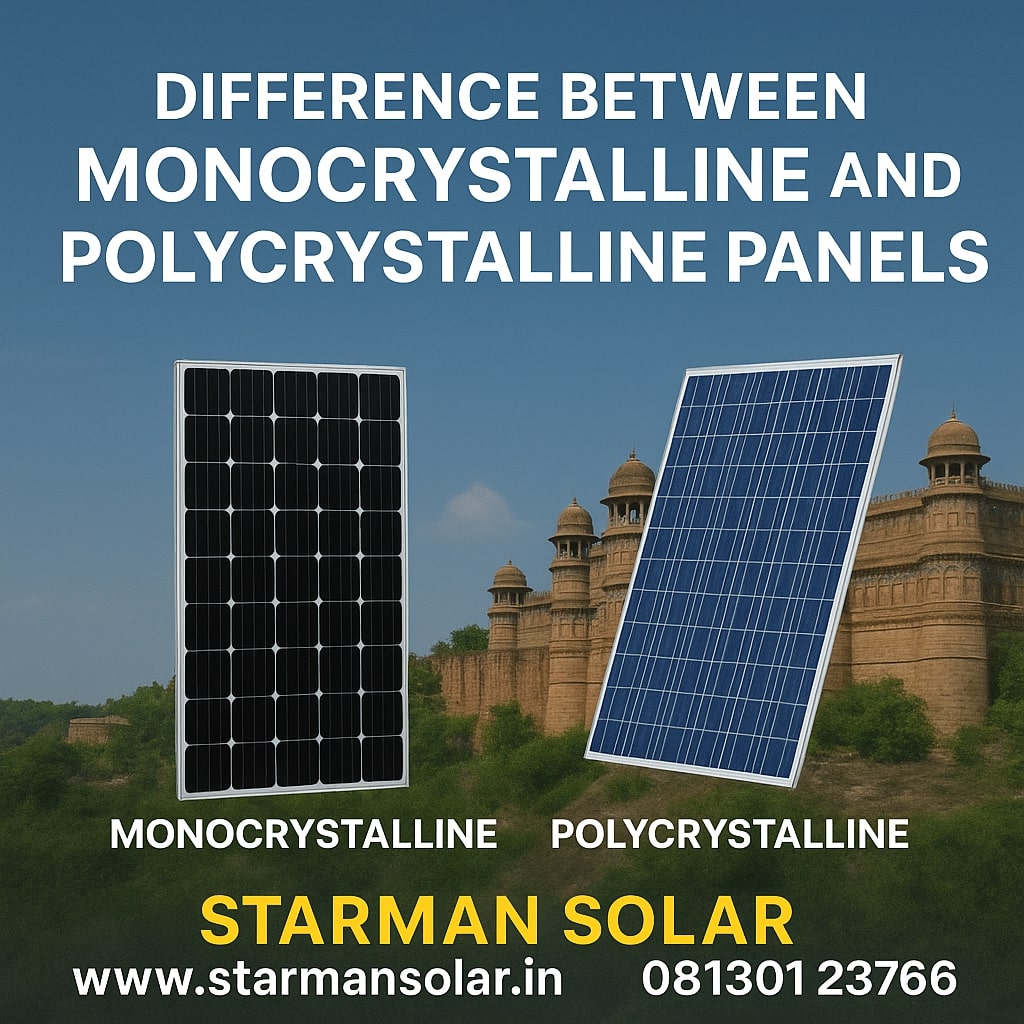
- 365 high-efficiency monocrystalline panels (330W each)
- Three-phase inverter system with 25-year panel warranty.
5. Monitoring & Performance App
A smart energy monitoring system was installed, allowing Mr. Tiwari to track production and savings via a mobile app.
💰 The Results: Powering the Factory with the Sun
- ✅ 100% electricity demand met through solar
- ✅ Zero electricity bills (net savings: ₹30 lakhs annually)
- ✅ ROI in 3 years, with free power for the next 22+ years
- ✅ Over 180 tons of CO₂ reduced annually.
Mr. Tiwari says, “It’s the smartest decision we’ve made as a company—financially and ethically.”
🏗 How to Start Solar Panel Business in India?
The solar sector in India is booming. Businesses like Starman Solar have paved the way by:
- Partnering with MNRE and state electricity boards
- Offering EPC (Engineering, Procurement, Construction) services
- Working with residential, commercial, and industrial clients
- Building trust through strong after-sales service.
To start a solar business, one needs certifications, basic capital, supplier networks, and a clear target segment.
💸 How Much Does It Cost to Start a Solar Panel Business?
Starting a small-to-medium-scale solar business in India can require:
- 💼 ₹3–5 lakh (small-scale residential installations)
- 🏢 ₹10–25 lakh (commercial EPC services)
- 🛠 Investment varies by model: Dealer, installer, or manufacturer.
Profit margins in solar projects can range from 15–25%, depending on the service model and scale.
⚡ How Is Solar Energy Converted into Electricity?
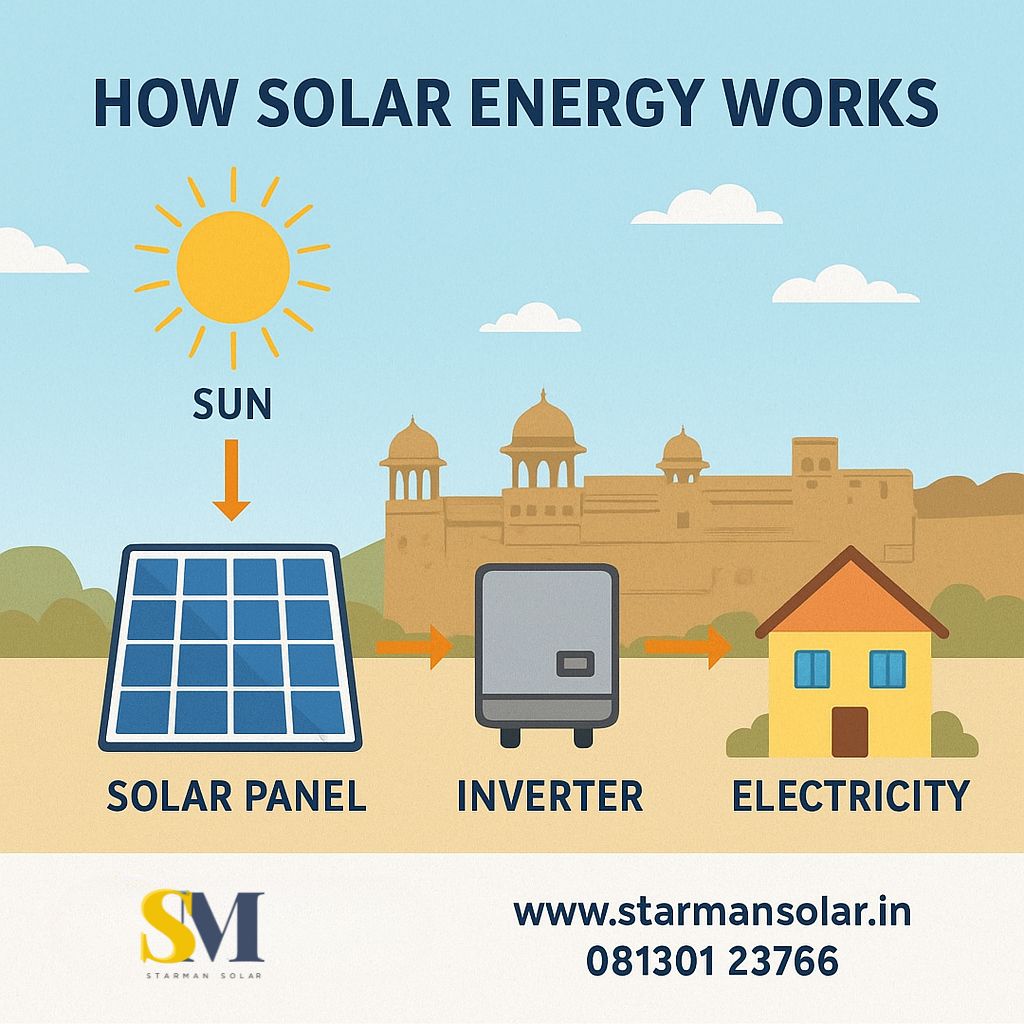
Solar panels use photovoltaic (PV) cells to absorb sunlight. This is converted into direct current (DC) electricity. A solar inverter then converts DC to alternating current (AC), which powers buildings or feeds into the electricity grid.
Starman Solar uses Tier-1 panels and inverters to ensure high conversion efficiency (up to 21%).
❓ Frequently Asked Questions (FAQs)
1. Are 100% efficient solar panels possible?
No, current solar panel technology has a maximum efficiency of around 22–23%. However, ongoing research aims to break these limits in future innovations.
2. How do I convince customers to buy solar panels?
Highlight long-term savings, environmental impact, subsidies, and increased property value. Show successful case studies like this one from Starman Solar to build trust.
3. What are the advantages of solar energy in Elon Musk’s view?
Elon Musk sees solar energy as a core renewable resource to reduce dependency on fossil fuels. Tesla’s solar roofs and battery storage systems support this mission globally.
4. What is the solar project of Mukesh Ambani?
Mukesh Ambani’s Reliance New Energy Solar is investing in gigawatt-scale solar parks, battery storage, and green hydrogen as part of Reliance’s net-zero strategy by 2035.
5. Is it possible to go 100% solar?
Yes. With proper site assessment, system design, and net metering, businesses and even homes can go 100% solar, just like Ridhi Textiles in Gwalior.
🌎 Why Businesses Are Going Solar Now
India’s electricity prices are rising. Meanwhile, the government offers:
- ✅ 20–40% capital subsidies
- ✅ Income tax benefits under Section 80-IA
- ✅ Accelerated depreciation for commercial solar users
- ✅ Priority grid approval for solar exporters
Couple this with the ESG (Environmental, Social, Governance) goals many companies must meet, and solar becomes not just attractive, but necessary.
📈 The Future: Solar Business Growth and Expansion
The profit margin in solar business in India is healthy, especially for early adopters. The sector is forecast to grow 20% CAGR till 2030, making it one of India’s top green investment zones.
Starman Solar is now expanding to other cities in Madhya Pradesh, supporting schools, factories, farms, and residential colonies.
🏁 Conclusion
This story of how Starman Solar helped a Gwalior-based business go 100% solar is a testament to what is possible with clean energy. From zero bills to environmental leadership, the benefits of going solar are tangible and impactful.
As the nation moves toward sustainable growth, Starman Solar stands ready to light the way—one rooftop at a time.
🌞 Thinking of going solar for your business? Partner with Starman Solar today.
Share:

starman
Related Posts



Founded in 2021, Starman Solar has emerged as a trusted name in renewable energy solutions in Gwalior.
Top Rated
Service 20265.0
CONtact WITH US
FOLLOW US
Starman Solar Pvt. Ltd. © 2025 All Rights Reserved | Designed By PR Digital Marketing